
Forward Deployed Engineer · Design + Full-Stack + AI Systems
Ava Liu
I diagnose ambiguous customer problems, architect the system, then design and ship the working product myself.
My work spans product strategy and UX/UI through full-stack product development with React/Next.js, FastAPI, databases, and APIs, alongside production design engineering through coded DOM design systems and interaction engineering with Motion and GSAP.
On the AI and infrastructure side, I build production AI systems spanning multi-agent orchestration, LLM integrations, tool-using agents, governed tool use, and governed RAG, supported by cloud infrastructure and secure delivery with AWS, Terraform, and GitHub Actions CI/CD.
That technical execution is grounded in 15+ years of creative direction, digital product design, visual systems, brand identity, and campaigns, alongside hands-on design leadership — leading design critiques, mentoring designers, guiding priorities, and maintaining quality across team output.

Ava Liu — New York, NY
What I Do
Creative judgment, product architecture, and production AI systems — end to end.
I move from ambiguous requirements through product and system design into full-stack implementation, agent orchestration, cloud infrastructure, secure delivery, and production validation.
Design Leadership & Creative Direction
15+ years · Direction · Mentorship · Quality
- Setting creative direction & maintaining quality across team output
- Prioritizing and assigning work based on needs & strengths
- Leading design critiques & providing actionable feedback
- Mentoring designers & supporting creative development
- Brand identity, scalable visual systems & visual storytelling
- Integrated campaigns across digital, social, print & motion
Product Design & Design Engineering
Strategy · Systems · Interaction
- 0→1 product strategy, requirements, IA & UX/UI
- Coded React design systems & DOM-based components
- Figma-to-code systems, semantic tokens & reusable component APIs
- Next.js App Router architecture & server/client boundaries
- Strict TypeScript, typed data contracts & future API-ready architecture
- Semantic HTML, ARIA-aware controls, Storybook state modeling & accessibility
- Motion for React / Framer Motion & GSAP interaction engineering
- Interactive data visualization & stateful UI behavior
Forward Deployed Engineering & Production AI Systems
Full-stack · Agentic AI · Cloud Delivery
- Multi-agent orchestration with LangGraph, LangChain, MCP, structured outputs & HITL
- Governed tool use, deterministic routing, persistent state & audit traces
- RAG, hybrid retrieval, embeddings, semantic evaluation & grounded generation
- FastAPI, Next.js/React, Python, PostgreSQL, SQLAlchemy/Alembic & REST APIs
- Docker/Compose, AWS ECS/Fargate, ECR, RDS, ALB, Secrets Manager & CloudWatch
- Terraform infrastructure as code and GitHub Actions CI/CD
- OIDC-based AWS authentication, least-privilege IAM & health-gated releases
Selected Work
Case studies
Production AI systems, full-stack products, design engineering, revenue infrastructure, and creative systems — grounded in real constraints, measurable failures, and shipped outcomes.
Product · AI Content & Opportunity Intelligence
Social Publisher - From AI product strategy to workflow evaluation and cost control
The Problem
A useful AI publishing product needs relevant output, consistent personal context, reliable platform execution, and practical operating costs.
Approach
I connected goal-driven strategy and publisher memory to multi-step workflows, designed explicit review controls, and used stage-level diagnostics and real output review to guide iteration.
What I Built
- Editable AI-generated strategy and persistent publisher memory
- Connected discovery, generation, review, and publishing workflows
- OpenAI / Meta API performance and price comparison
- Token usage and estimated cost by model call and workflow stage
- OAuth, copy-limit, media, and platform failure diagnosis
- Search-quality assessment and rollback of a cheaper, less relevant approach
Why This Matters
Product judgment, human–AI interaction, full-stack integration, and evaluation shaped the same product. I traced failures to their source and changed architecture when a lower-cost option weakened the user outcome.
Self-Directed Product · RelayOS · AI Workforce Orchestration Platform
Building an agentic control plane from governed orchestration through secure cloud delivery
RelayOS is an AI workforce platform that coordinates work across specialized AI agents and people. A central Relay Manager delegates work, manages priorities, handoffs, and approvals, and keeps execution moving through verification to completion.
The Problem
Connected AI work needs more than individual task execution: ownership, policy, durable state, handoffs, human judgment, verification, and a safe release path all have to be coordinated.
Approach
I designed Relay Manager as the control plane above specialist agents, then carried the same governed workflow into PostgreSQL persistence, Terraform-managed AWS infrastructure, least-privilege OIDC delivery, and validated cloud releases.
What I Built
- Relay Manager + Lead, Social, and Design specialist agents
- LangGraph orchestration with typed state, conditional routing, and durable Human-in-the-Loop resume
- Agent → Agent and Agent → Human → Agent handoffs
- LangChain StructuredTool integration with governed MCP tool invocation
- Manager-controlled priority and completion verification
- PostgreSQL persistence with SQLAlchemy + Alembic migrations
- Docker Compose runtime across Next.js + FastAPI services
- Terraform-managed AWS ECS/Fargate, ECR, RDS, ALB, Secrets Manager & CloudWatch
- GitHub Actions CI/CD with OIDC, immutable releases, health-gated deployment & release verification
Why This Matters
RelayOS brings together production AI systems engineering end to end: governed multi-agent orchestration, durable human approval, PostgreSQL state, infrastructure as code, least-privilege cloud identity, manually gated CI/CD, and health-gated cloud delivery.
Self-Directed System · AI Token Optimization · Case Study 02
Re-architecting an AI agent to reduce token cost, latency, and context overhead
The Problem
A production resume agent had grown to 99 context files and 38,924 provider input tokens per request, pushing latency and cost beyond a sustainable runtime while crossing a 90-second request boundary.
Approach
I measured token usage, context assembly, retrieval, provider cost, wall time, and output quality separately, then redesigned the runtime around persistent hybrid retrieval, task-aware context budgets, prompt caching, and durable execution.
What I Built
- Persistent hybrid retrieval instead of request-time parsing
- Task-aware context budgets and prompt caching
- Provider-authoritative token audits and cost observability
- Quality guardrails and requirement-level validation
- Durable async execution with idempotency and failure classification
- Phase gates that blocked advancement when required audits failed
Why This Matters
The redesign reduced warm-cache known cost by 77.13%, context assembly by 98.22%, and HTTP lifetime by 99.29% while preserving 100% requirement coverage. The goal was not simply a faster agent, but a more cost-efficient AI runtime that used far less unnecessary context without sacrificing decision quality.
Self-Directed Product · MarketDNA · AI Financial Intelligence Platform
From explainable financial intelligence to context-aware decision and predictive research
The Problem
Financial data is abundant, but decision context and uncertainty are fragmented. A single blended confidence score hid whether low trust came from thin data, weak analysis, or conflicting evidence.
Approach
I built a top-down Market → Sector → Industry → Stock decision structure, made uncertainty inspectable, then evolved the research layer into context-aware strategy ranking, parameter optimization, and leakage-controlled prediction validation.
What I Built
- Independent Data Quality, Analysis Reliability, and Evidence Alignment metrics
- Canonical Decision Engine across scanner and stock workflows
- Context-aware strategy ranking and stateful execution research
- Parameter search, objective-function design, and chronological out-of-sample validation
- Coded React/TypeScript DOM design system with semantic, ARIA-aware components
- Motion/GSAP interaction engineering, auth, Stripe subscriptions, admin, and Cloudflare deployment
Why This Matters
One product connects explainable AI, quantitative research, full-stack implementation, subscription infrastructure, and production design engineering without hiding uncertainty behind a single score.
VIEW FULL CASE STUDY →Self-hosted development build, served via Cloudflare Tunnel · Live availability may vary.
Self-Directed Product · AI Email Agent · Governed Customer Support System
Governed tool use, hybrid retrieval, persistent traces, and human-controlled consequences
The Problem
Support diagnosis is conditional: the same inbound email can require live account state, subscription and entitlement context, and proprietary product knowledge. A useful agent has to investigate without gaining uncontrolled authority.
Approach
I designed a bounded, model-directed tool loop with governed hybrid RAG, persistent execution traces, confidence-based escalation, and mandatory human approval before outbound communication.
What I Built
- OpenAI Responses API with multi-step function calling
- Read-only tool registry for account, subscription, entitlement, login, market, and product context
- Approved knowledge corpus with lexical + embedding retrieval
- Source, section, confidence, tool, and retrieval provenance
- Persistent conversation, draft, run, and audit state
- Resend inbound email, signed webhook verification, threading, Admin review/edit/send workflow
Why This Matters
The agent can investigate dynamically and produce grounded drafts while consequential customer communication remains explicitly human-controlled.
Self-Directed Product · Career Agent · AI Job Search & Referral Intelligence
Separating source facts, AI interpretation, generated language, and referral intelligence
The Problem
A tailored resume is useless if generated claims cannot be traced to verified candidate evidence. Real usage exposed brittle lexical matching, stale inference, incomplete bilingual output, and completion states that could resolve before evidence verification finished.
Approach
I rebuilt the trust model around a canonical Evidence Library, semantic evaluation, source lineage, claim-level verification, human override, and independent review, then extended the product with referral intelligence that discovers and ranks relevant people by offer viability, referral lift, feasibility, and role value.
What I Built
- Canonical evidence model separating raw source, confirmed fact, interpretation, and resume-ready wording
- Semantic requirement/evidence evaluator with EN/ZH language invariance
- Source lineage, version history, and non-destructive evidence updates
- Claim-level trace persistence and independent factuality verification
- Independent ATS, recruiter, and hiring-manager review loop
- Referral Intelligence with people discovery, candidate ranking, outreach workflows, and contact tracking
- Offer Viability ranking across probability, referral lift, feasibility, role value, and investment priority
- FastAPI + Next.js/React + TypeScript + SQLModel/SQLite + OpenAI API
Why This Matters
More than 90 logged end-to-end test rounds changed the architecture itself — including replacing brittle substring classification and repeated merge patches with semantic evaluation and a reconciled evidence model, then extending that evidence-grounded decision layer into referral discovery and offer-viability prioritization.
Self-Directed System · Affiliate & Creator Growth · Revenue Attribution & Commission Platform
Connecting acquisition to attributable revenue, commissions, reversals, payouts, and risk
The Problem
An affiliate feature becomes a financial system as soon as attribution affects money. Identity, historical program terms, refunds, vesting, payouts, authorization, and auditability all have to stay correct over time.
Approach
I treated revenue state as backend-authoritative and historically reconstructable, with append-only financial ledgers, idempotent Stripe-derived processing, explicit reversals, and human-controlled payouts.
What I Built
- Affiliate applications, governed accounts, programs, campaigns, and referral links
- Click attribution, registration binding, and Stripe revenue-event ingestion
- Append-only commission and reversal ledgers
- Monthly-plan commission holds and annual-plan monthly vesting with per-tranche holds
- Manual payout recording, analytics, authorization isolation, and fraud/risk foundation
- Creator performance scoring without exposing referred-customer PII
Why This Matters
The system turns a growth idea into auditable commercial infrastructure: acquisition → conversion → revenue → commission → reversal → payout → risk → creator performance.
MarketDNA · Coded Design System · Production Interaction System
Motion + DOM components as reusable product infrastructure
The Problem
Motion had to add delight to a dense financial product without becoming a one-off landing-page trick or breaking state integrity under fast pointer input.
Approach
I extended the coded React/TypeScript design system, used Motion and GSAP for distinct responsibilities, and simplified a multi-clip interaction into one bidirectional media timeline.
What I Built
- Semantic DOM primitives and reusable product components
- ARIA-aware controls and component-level accessibility
- Motion for React microinteractions
- GSAP coordinated timelines
- Browser-native video state for interruptible interaction
- Reduced-motion behavior and production state handling
Why This Matters
Visual craft translated into semantic components, accessible behavior, animation architecture, and real browser-state control.
Island Dental · Founding Product Designer & Brand · Accessible Conversion Design System
Building a conversion-focused design system from zero and scaling it across teams
The Problem
A growing two-sided marketplace needed a consistent product and brand language across high-intent web journeys, financing interactions, marketing, and responsive experiences.
Approach
I built shared foundations, reusable responsive patterns, interaction standards, and conversion-oriented hierarchy so product, engineering, and marketing could work from the same system.
What I Built
- 0→1 brand and product design system
- Reusable responsive components and interaction patterns
- Marketplace and interactive financing UX
- CTA hierarchy and conversion-focused page structure
- WCAG/ADA-aware reusable patterns
- Cross-channel standards across web, social, email, and print
Why This Matters
The project shows that the coded design-system work in my AI products builds on earlier product-design practice, cross-functional implementation, and measurable business outcomes.
Self-Directed Creative Series · Ava Art Journey · AI Storytelling & Motion System
Directing AI-generated assets into coherent stories, characters, motion, narration, and sound
The Problem
Individual AI images or clips do not automatically become a coherent story. Character continuity, pacing, visual language, narration, and sound still need direction across the full sequence.
Approach
I used generative tools as part of an end-to-end creative production pipeline while retaining human control over concept, script, art direction, selection, sequencing, and final quality.
What I Built
- Original concepts, stories, scripts, and character development
- Midjourney and Runway visual exploration and generation
- Iterative character and scene continuity
- Animation, editing, timing, and transitions
- Narration, sound, and music integration
- Finished short-form storytelling releases
Why This Matters
The series preserves the creative-direction side of my practice: AI accelerated asset creation, but story, taste, continuity, and final editorial decisions remained human-led.
Technical Concepts
The systems vocabulary behind the work.
Explore the AI, product engineering, design engineering, and infrastructure concepts behind my projects—each explained in plain language with a real example of how it was applied and what it enabled.
Creative Portfolio & Selected Design Work
Brand · Product · Marketing · Digital
The AI work sits on top of a long visual practice rather than replacing it. This archive spans creative direction, brand identity, marketing campaigns, product/UI design, digital experiences, print, social, and scalable visual systems — the craft foundation I still bring into every product I build.
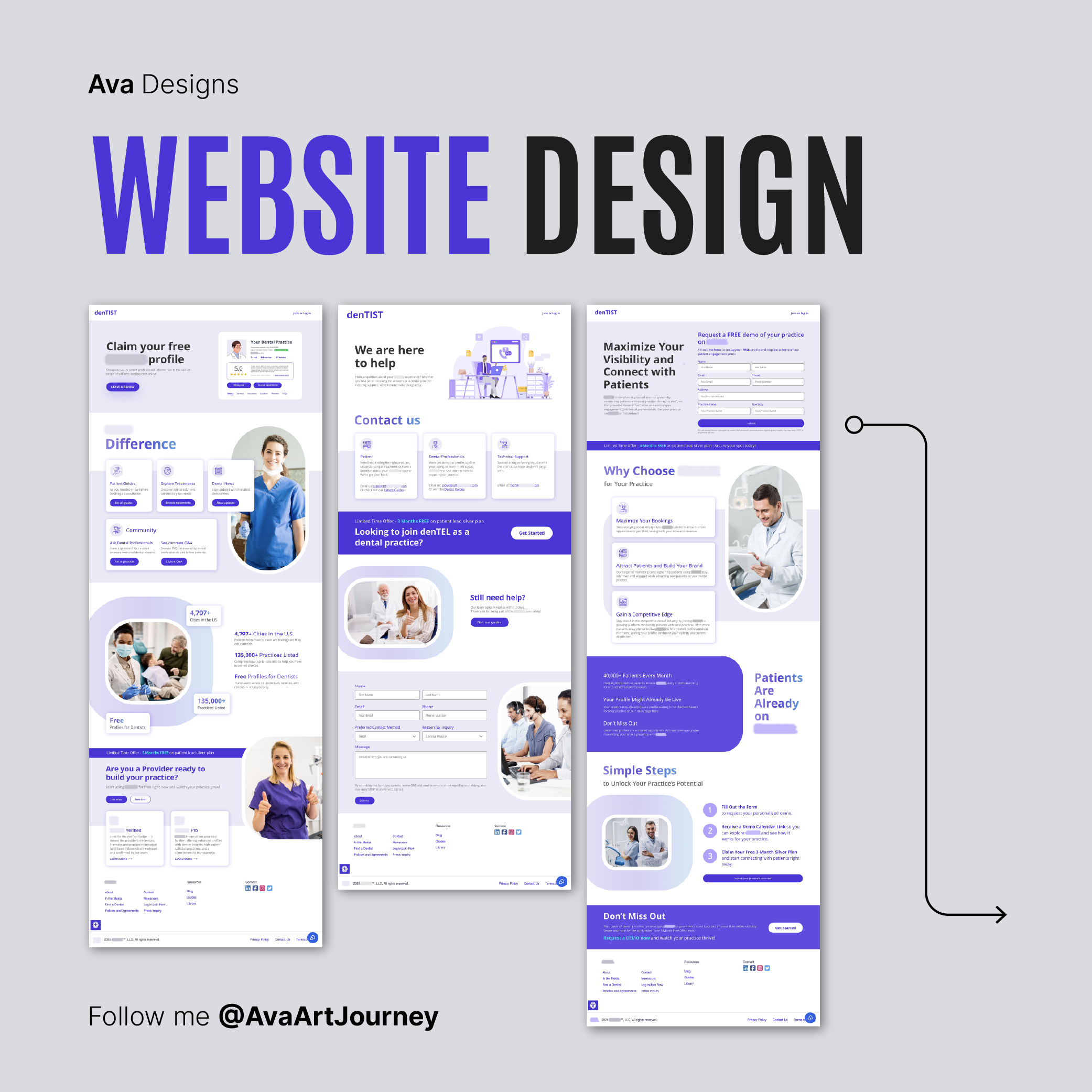

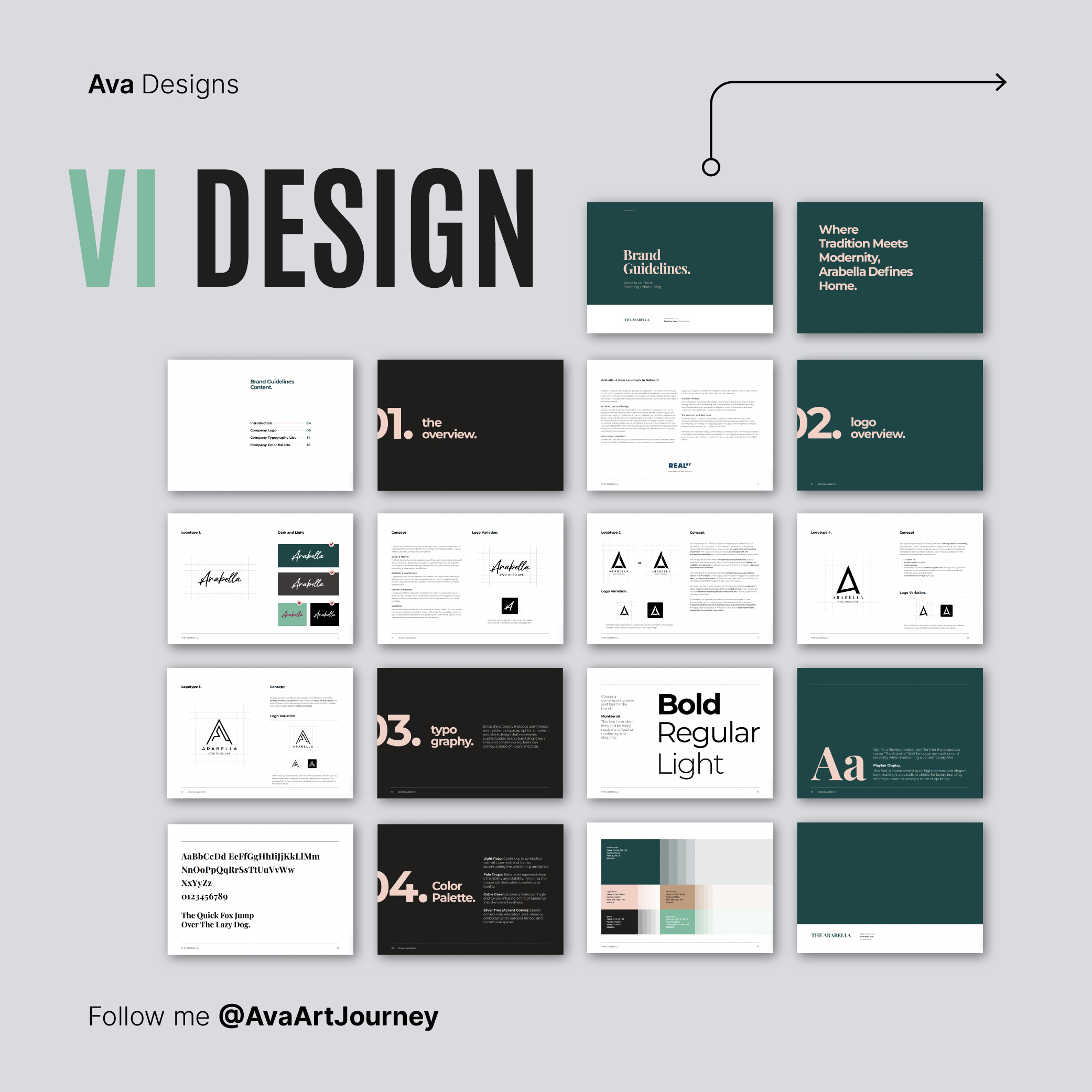
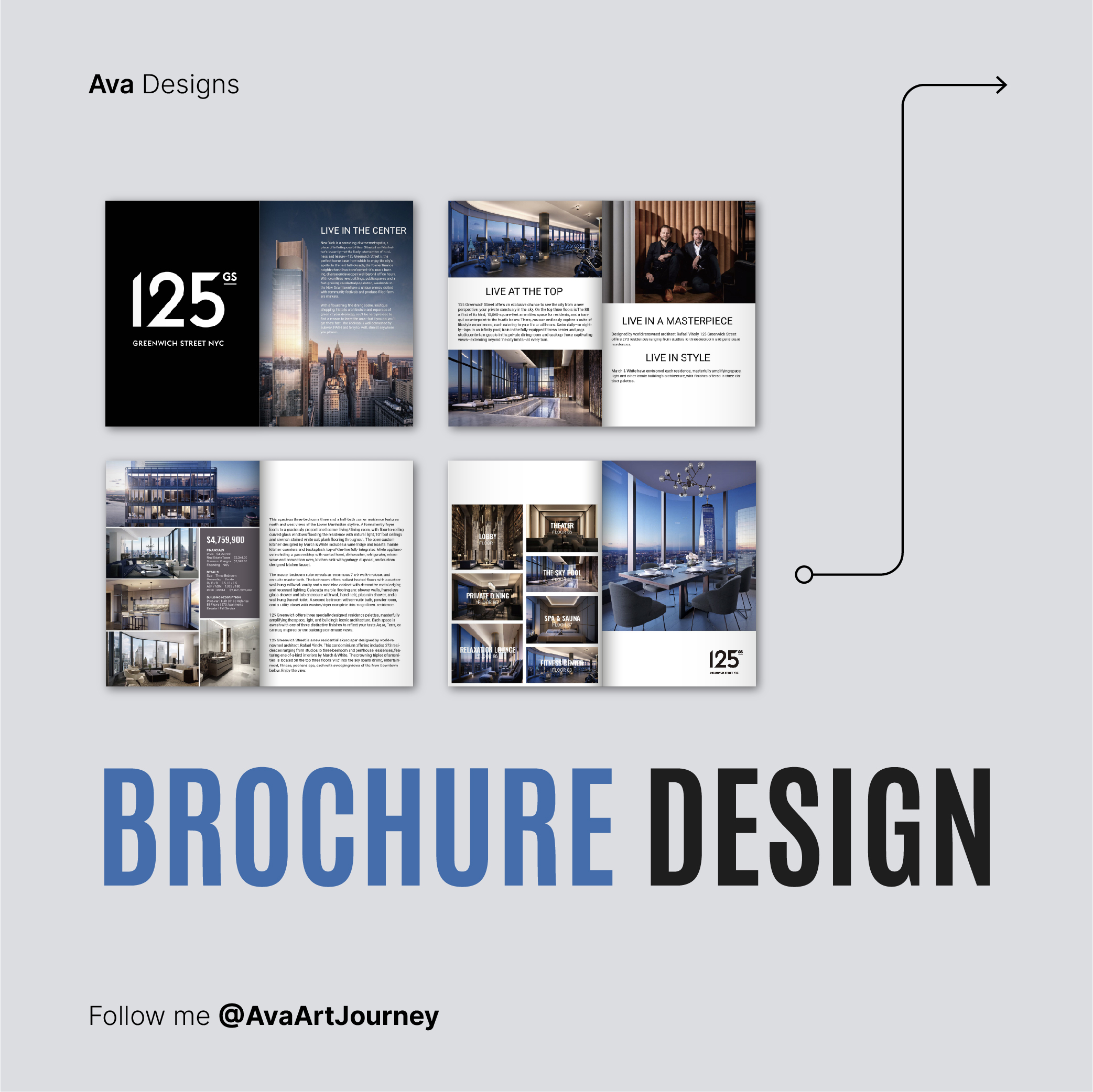

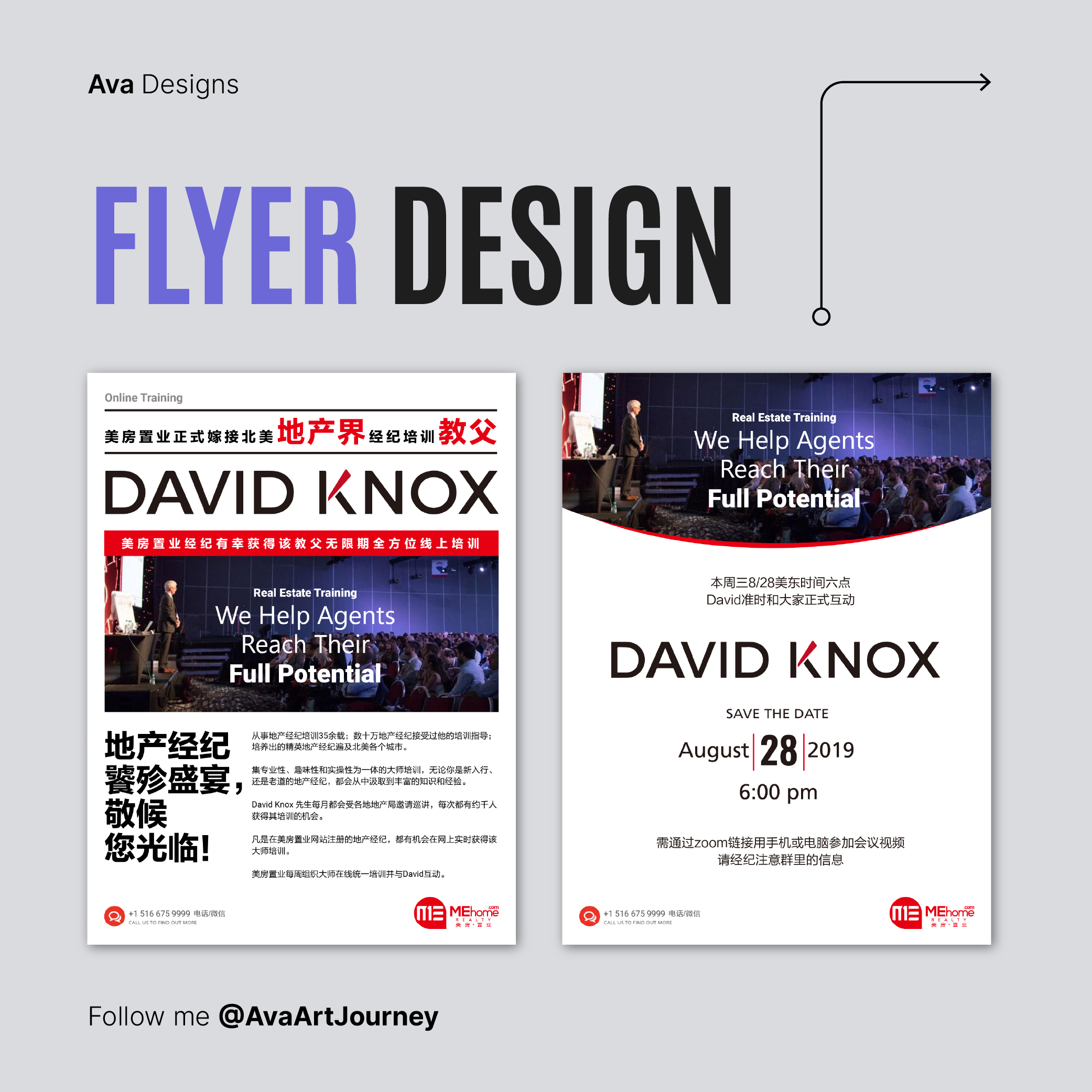
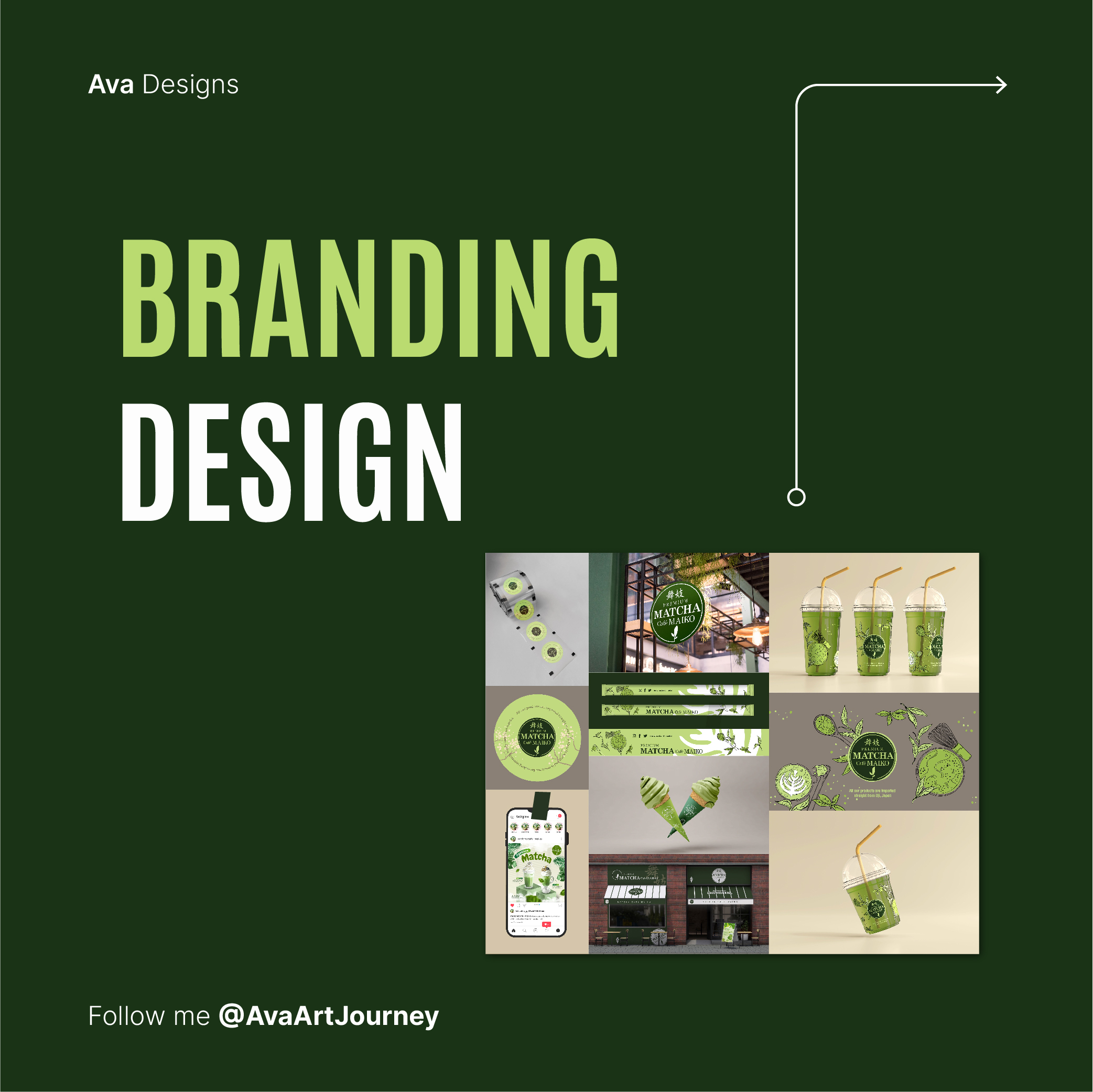


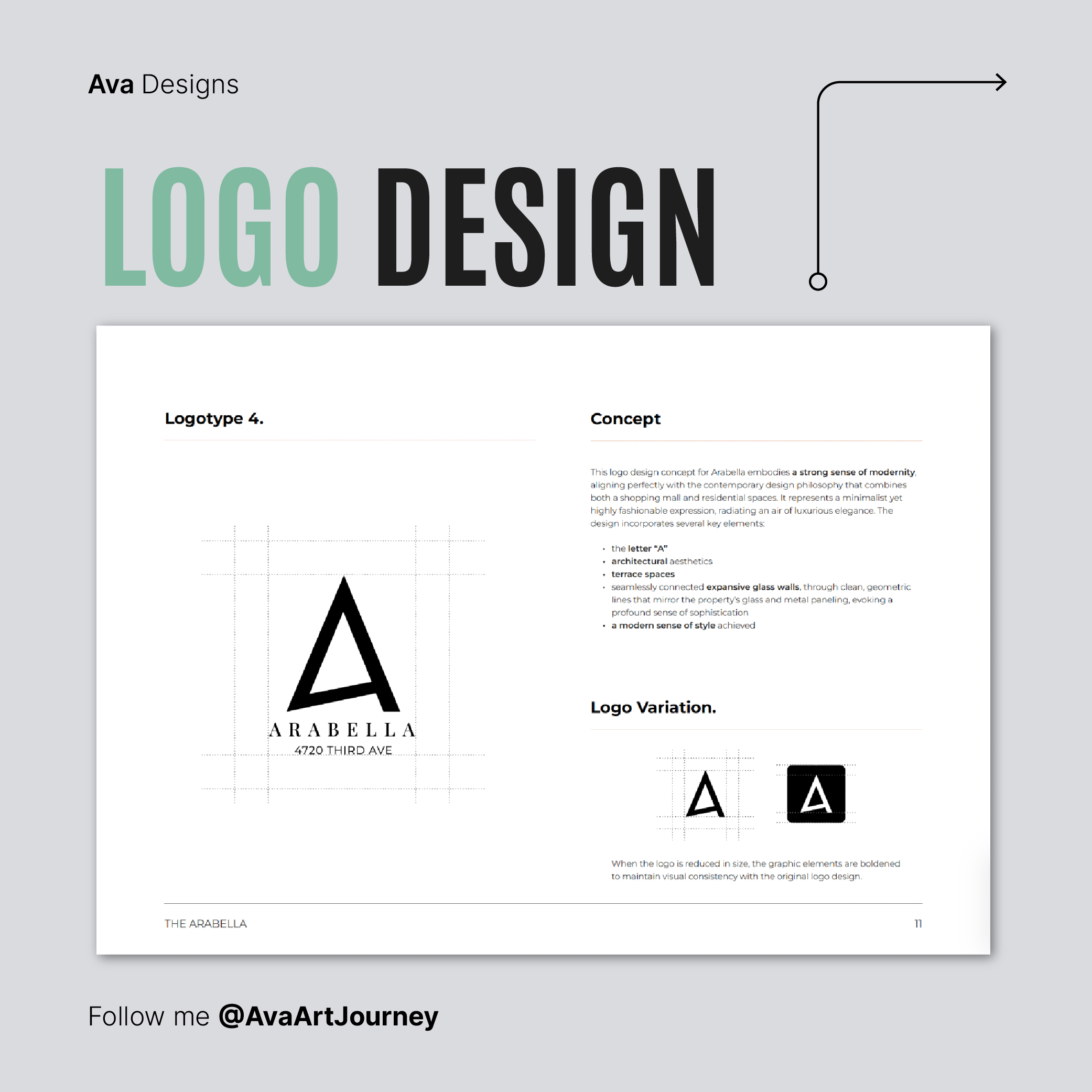
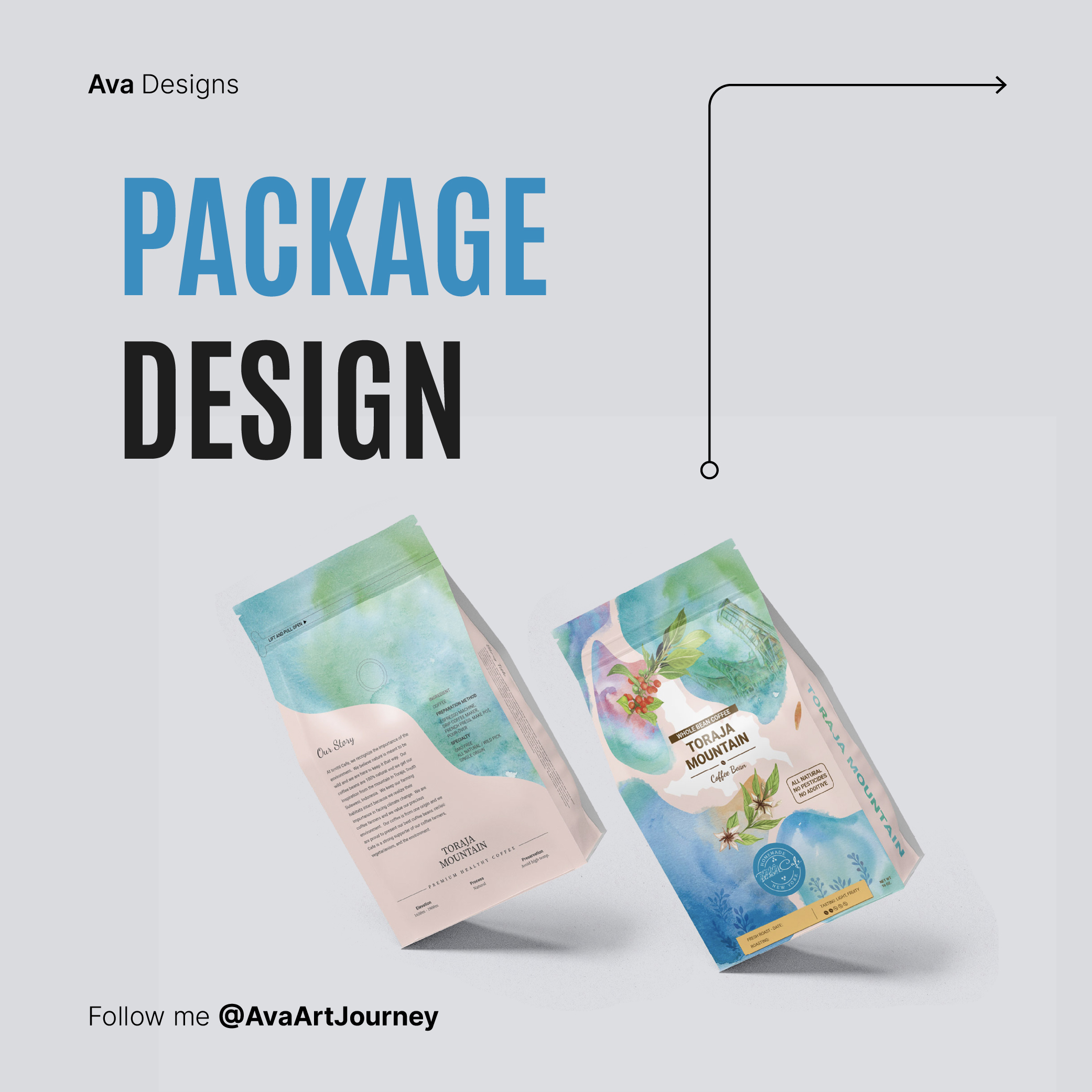

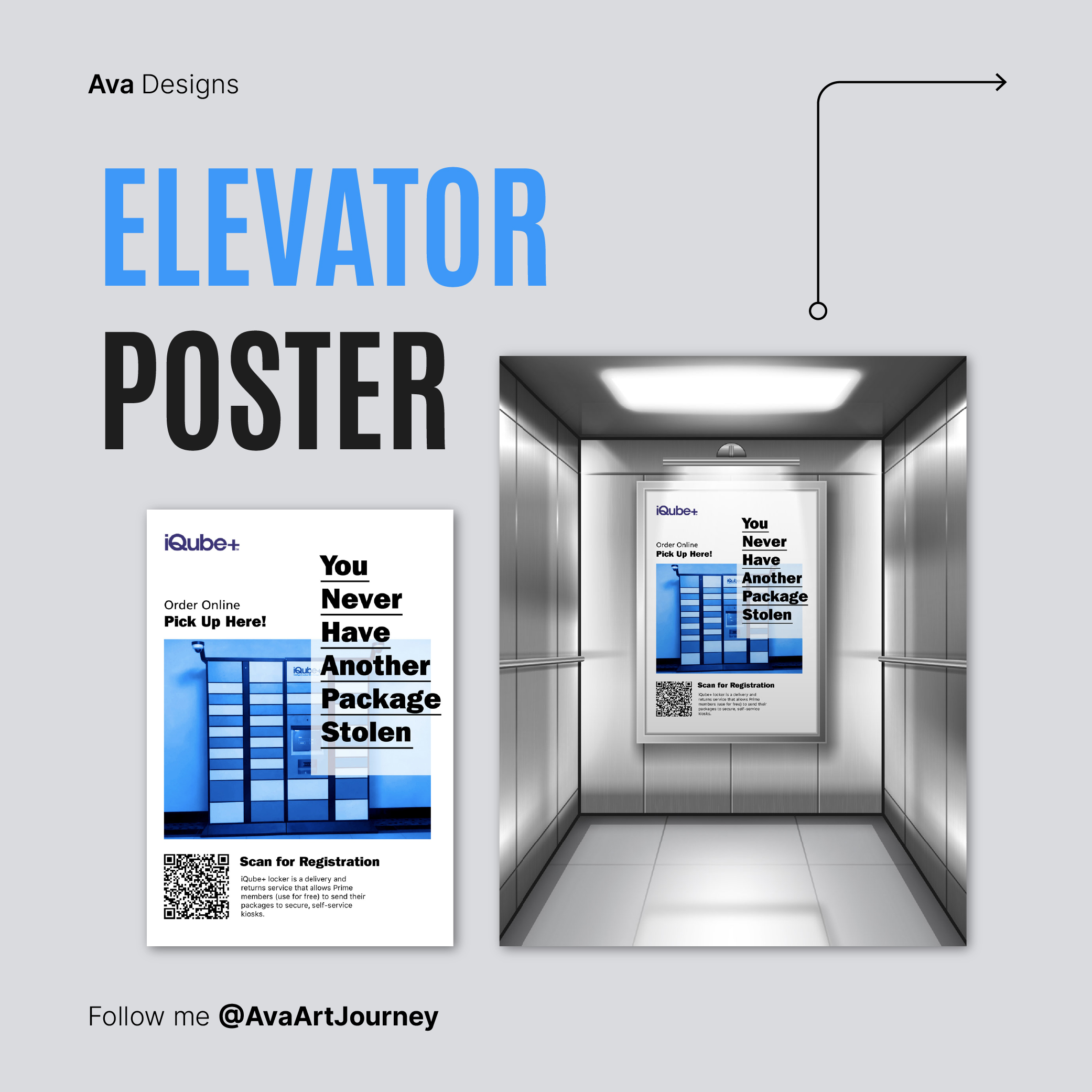
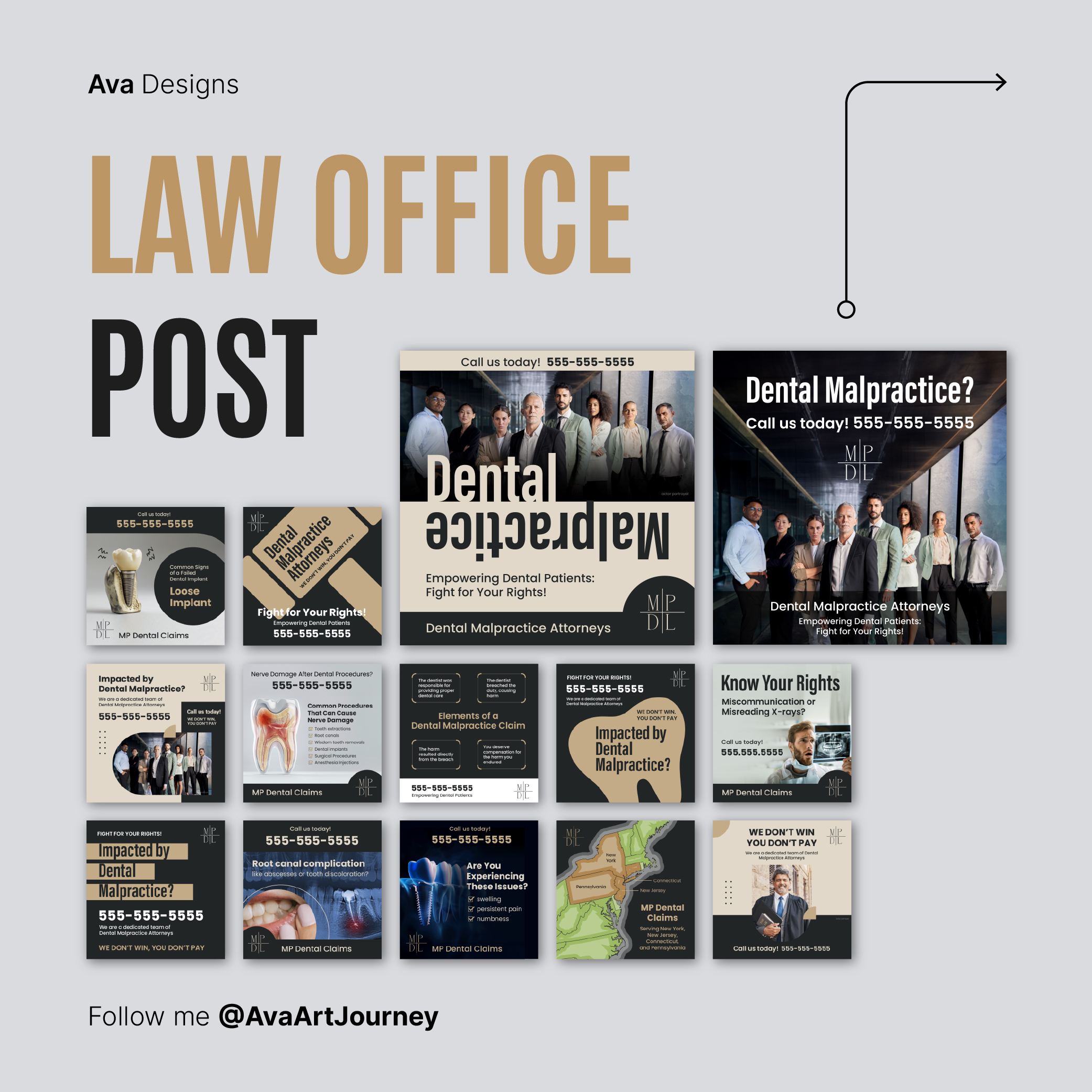
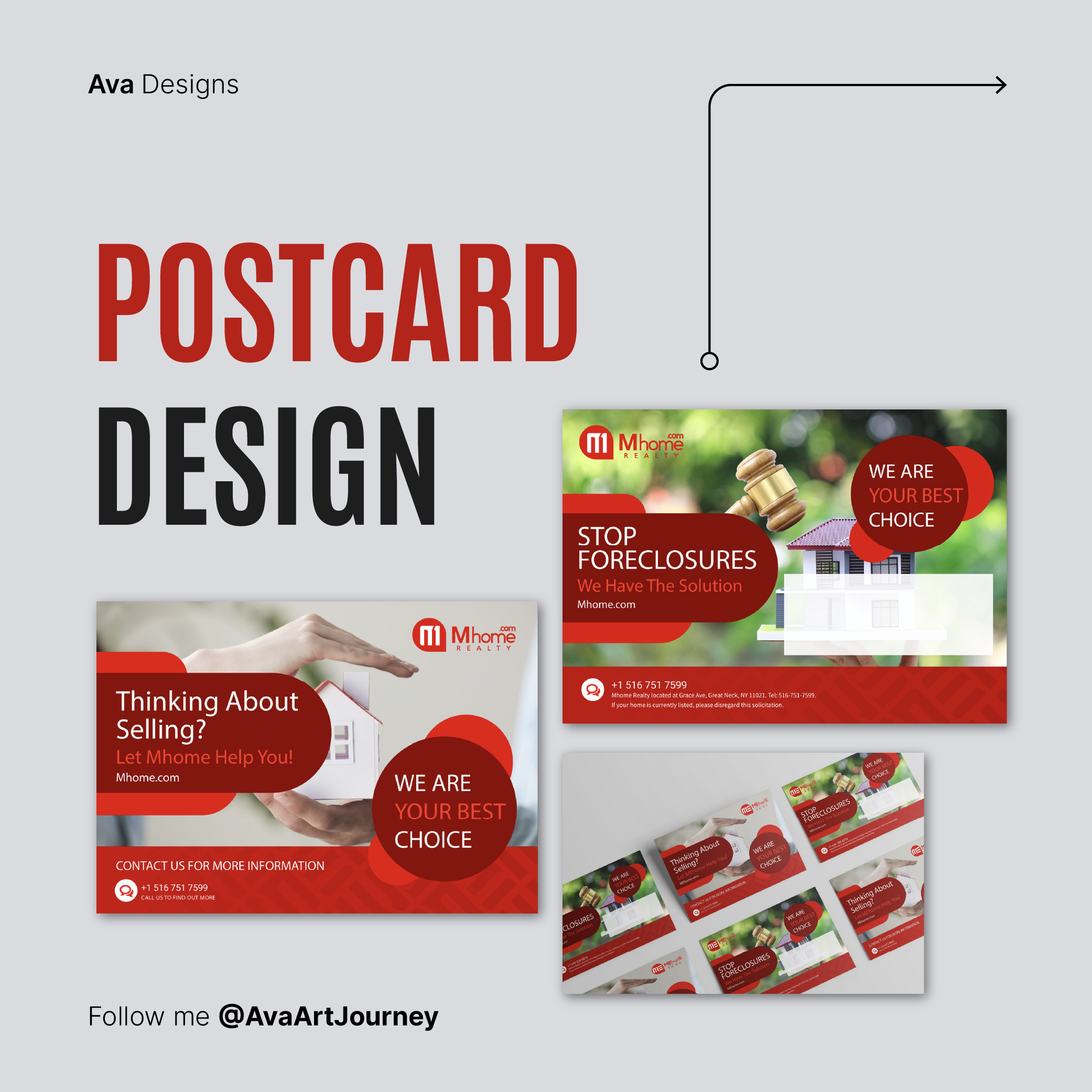
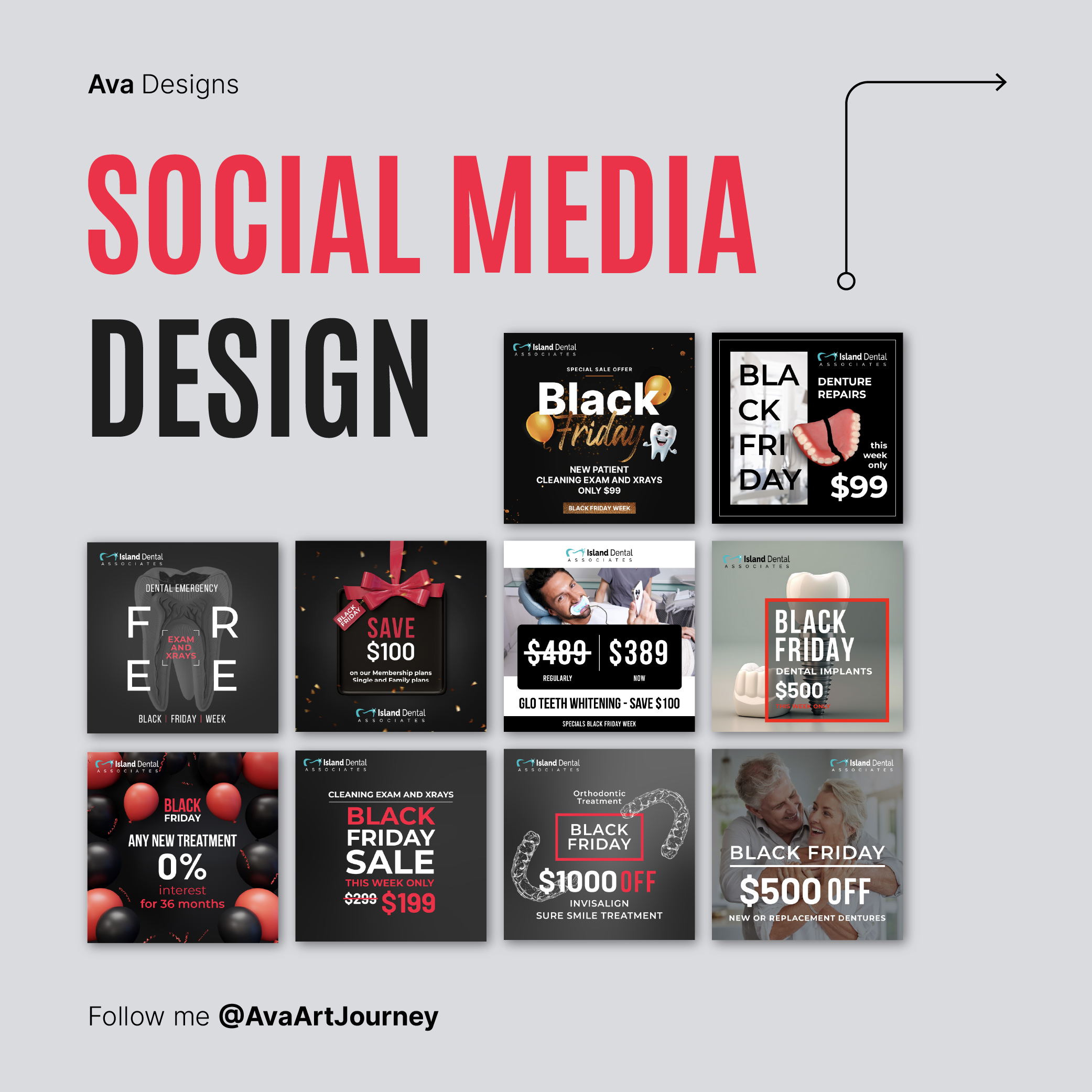


Covers brand identity, marketing campaigns, digital experiences, design systems, and visual communications across fintech, financial services, healthcare, technology, real estate, and consumer brands — translating complex ideas into clear, cohesive, and high-impact design.
Career
Experience
Designing and building digital and AI products end to end — spanning product strategy, UX/UI, coded design systems, interaction engineering, and full-stack development with React/Next.js, FastAPI, PostgreSQL, and APIs, alongside multi-agent orchestration with LangGraph/LangChain, MCP, governed RAG, AWS infrastructure, Terraform, and CI/CD.